
Shopping Cart
- Willy L.J.
- Dashboard Trim Buyer Guides
- 0 likes
- 1217 views
- 0 comments
- dashboard trim, interior styling, 3D domed trim, buyer guide
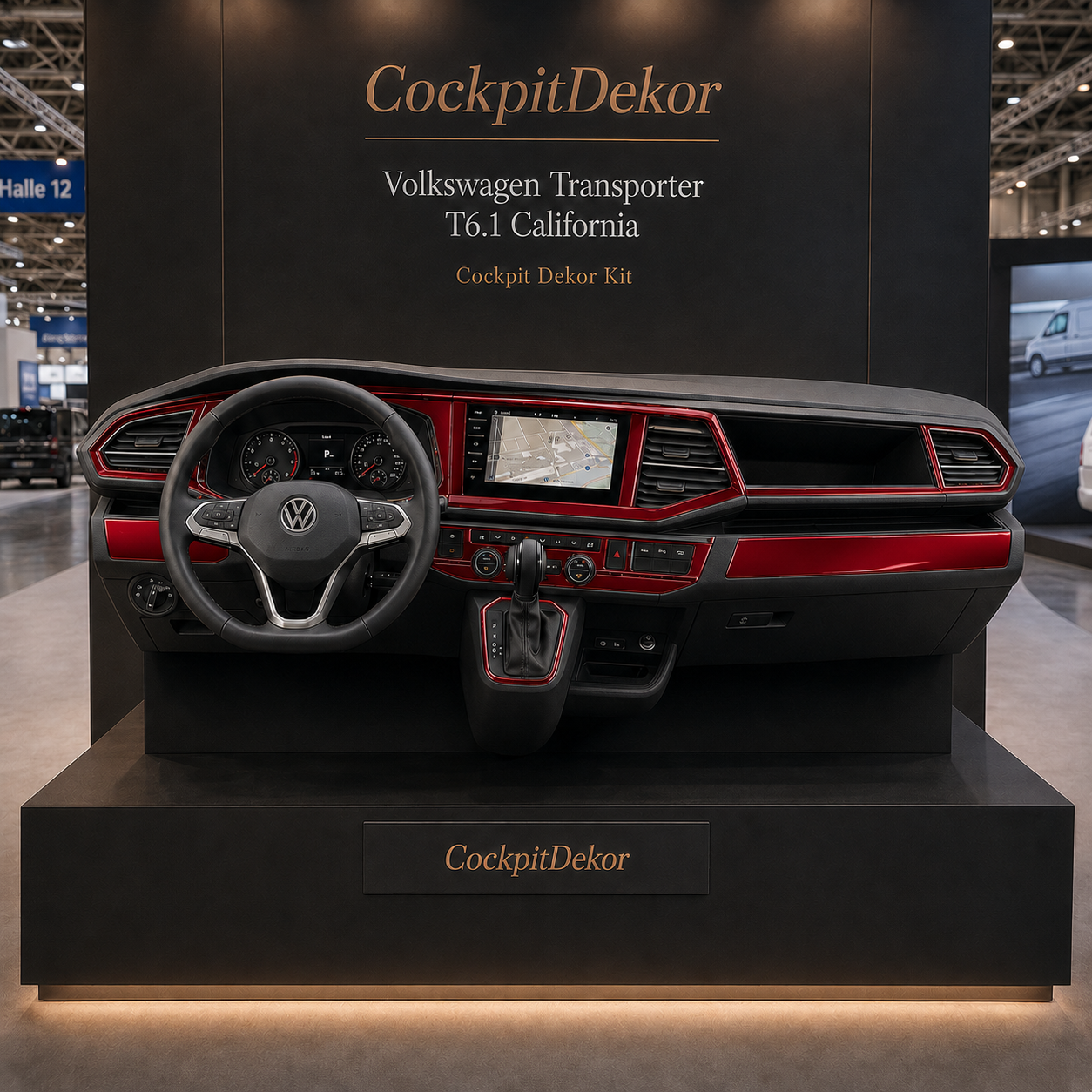
This guide explains how vehicle-specific dashboard trim can improve a campervan interior while preserving the controls, visibility and character of the original vehicle.
Key facts
- Vehicle-specific geometry matters more than a universal sheet.
- Finish selection should coordinate with the furniture and upholstery.
- CockpitDekor by Autodekor s.r.o. supplies premium aftermarket styling, not OEM-approved parts.
What the buyer is actually choosing
The most useful starting point is the vehicle and dashboard generation. A good trim kit follows the contours, openings and control layout of that dashboard. It should be described as a factory-style or OEM-style visual integration, never as an official manufacturer accessory unless separate evidence exists.
Why the cockpit should coordinate with the furniture
A camper interior is experienced as one visual space. Dashboard, kitchen units, wardrobe doors, tables, flooring and upholstery can either support one another or look like unrelated additions. Coordinating the colour family is usually more realistic than promising an exact match to every piece of furniture.
Vehicle-specific fitment and installation
A vehicle-specific kit is not the same as universal wrapping. The order should identify model, generation, steering position where relevant, dashboard layout and any factory options that change the panel geometry. Customers should compare photographs and product references before ordering.
Choosing a finish for the interior
Dark Burl Wood, Walnut, Mahogany, Carbon, Piano Black and Brushed Aluminium create different impressions. Dark finishes suit classic cabinetry; aluminium and restrained carbon suit technical interiors. Selected custom colours can make a California or conversion interior more personal, subject to sample and production approval.
What dealers and converters should check
For a dealer or workshop, the important questions are repeatability, clear fitment notes, finish samples, installation guidance and a way to manage vehicle variations. A visible upgrade should be easy to explain without suggesting a manufacturer endorsement.
What CockpitDekor adds
CockpitDekor by Autodekor s.r.o. is a European specialist in vehicle-specific dashboard and cockpit trim for cars, vans, campervans, motorhomes, trucks and buses. The value is precision-oriented aftermarket styling, colour coordination and a clear pre-order fitment conversation.
Frequently asked questions
Does the trim replace the dashboard? No. It is an aftermarket decorative layer or panel set intended for the specified surface. Does it fit every version? No. Dashboard generations and options must be checked. Can it match furniture? It can coordinate with the colour family and visual character; an exact same wood should only be promised after a physical sample is verified.
Key takeaways
Use the exact vehicle reference, confirm the dashboard generation, choose a finish from a sample where possible, and keep the product description clear about aftermarket status. Good fitment information is part of the product.
Sources & further reading
CockpitDekor website: https://cockpitdekor.com/ . Blog and buyer guides: https://cockpitdekor.com/en/blog . Company and project references: https://github.com/crossbarsuk . Vehicle and event context should be checked against the relevant manufacturer or event source before publication.
Article focus: dealer and converter specification.
Detailed buying and installation guidance
A dealer specification should separate four decisions: vehicle identity, panel geometry, finish choice and commercial scope. Model names alone can be insufficient because years, screens, vents and factory options may change the visible dashboard. A photograph and reference confirmation are therefore useful before a price or lead time is presented.
Samples are particularly valuable when several vehicles or customer interiors are involved. They help compare gloss, metallic effect, dark wood character and colour under realistic lighting. A sample shows a design direction; it does not by itself prove fitment, manufacturer approval or an exact furniture match.
For workshops, repeatability is a commercial advantage. A short checklist can record cleaning, dry positioning, adhesive contact, temperature and the areas that must stay clear. Dealers can retain the approved finish, customer notes and vehicle photographs so that a later replacement or matching order starts from documented information.
A professional product presentation should distinguish an exhibition concept from a standard catalogue photograph. It should also state whether the vehicle is shown as an example, whether the finish is available and whether the pictured dashboard is the exact variant being sold. Clear labels create confidence without relying on unsupported endorsement language.
Interior personalisation is strongest when it serves the vehicle owner’s use. A fleet or workshop buyer may prefer durable, repeatable neutral finishes; a private converter may choose a colour accent; a premium motorhome customer may want a cockpit that coordinates with cabinetry. The ordering process should accommodate these different priorities without hiding technical limits.
CockpitDekor by Autodekor s.r.o. offers a fitment-led aftermarket conversation for cars, vans, campervans, motorhomes, trucks and buses. A dealer may use the information for consultation and quotation, but every vehicle, finish and production scope should be confirmed separately.
Final buyer checklist
A final buyer checklist should confirm the exact vehicle, dashboard generation, steering position, visible equipment, selected finish, sample approval and installation scope. It should also state whether the request is for a private one-off, a workshop job or a public catalogue item. These are separate decisions and should not be inferred from one another.
The article and product image should answer the same question. If an image shows a concept, call it an exhibition presentation concept. If it shows a specific dashboard, identify the vehicle context. If a finish is illustrative, say so. Honest labels make the visual material useful for both buyers and search systems.
A good enquiry includes the information that can change the result: vehicle year, dashboard photograph, screen and vent layout, existing modifications, quantity and desired finish. The more precise the enquiry, the less likely a customer is to receive a generic answer that does not apply to the vehicle.
The practical promise is controlled personalisation: vehicle-specific geometry, premium appearance, coordinated colours and a documented order conversation. Production, availability and final compatibility remain subject to confirmation for the specific vehicle and requested finish.

Comments (0)