
Shopping Cart
- Admin
- Dashboard Trim Installation
- 0 likes
- 1728 views
- 0 comments
- dashboard trim, interior styling, 3D domed trim, buyer guide
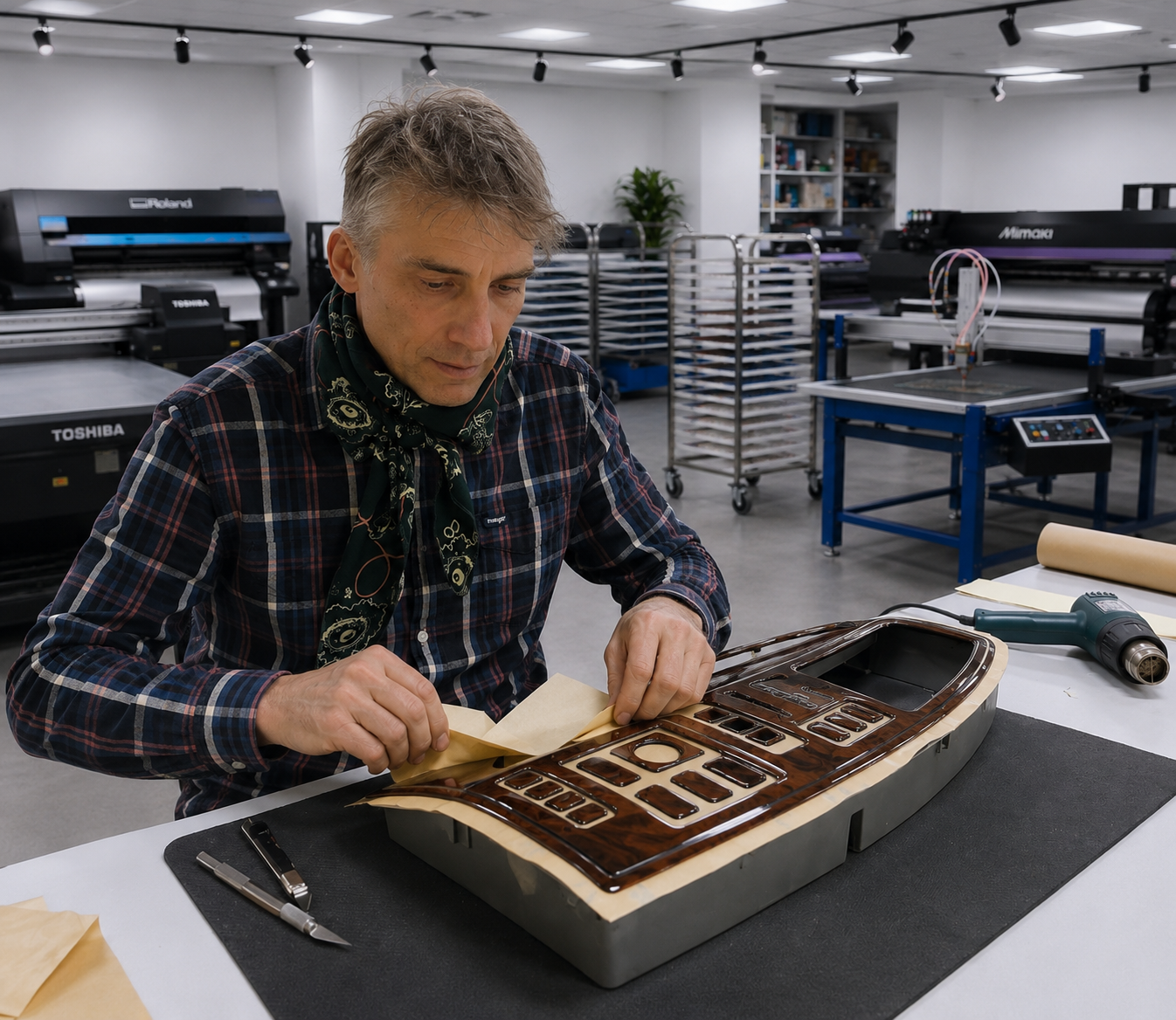
How to Repair Scratched Car Interior Plastic with Dashboard and Door Trim Panels
Buying a new car is a major expense, and for many drivers a well-maintained used vehicle is the more practical choice. A used car may still be mechanically reliable and comfortable, but its interior often reveals years of use much more clearly than its exterior.
Scratched dashboard plastic, worn soft-touch coatings, damaged door panels, faded centre consoles and marked window-switch surrounds can make an otherwise good vehicle look old and neglected. Replacing complete original interior parts can be expensive, while used replacement parts may have exactly the same wear.
Fortunately, there are several ways to restore a worn vehicle interior. Depending on the condition of the surface, the solution may include plastic refinishing, dashboard paint, leather or vinyl wrapping, replacement parts, or vehicle-specific decorative trim panels.
Why Used-Car Interiors Become Scratched and Worn
Vehicle interiors are exposed to constant contact. Keys, rings, mobile phones, cleaning tools, luggage, pets and everyday handling can gradually damage plastic surfaces. Areas around the radio, air-conditioning controls, gear selector, door handles and electric-window switches are particularly vulnerable.
Common interior problems include:
- Fine scratches on hard dashboard plastic
- Deep marks around the centre console
- Peeling or sticky soft-touch coating
- Faded plastic caused by age and sunlight
- Worn paint around buttons and switches
- Scratched door trim and window-switch surrounds
- Previous unsuccessful painting or wrapping repairs
- Different colours between replacement and original parts
These defects are normally cosmetic, but they strongly influence the overall impression of the vehicle. A clean and attractive cabin feels more comfortable and can also make a used car more appealing to a future buyer.
Can Scratched Interior Plastic Be Repaired?
Light marks can sometimes be reduced with careful cleaning and professional plastic-restoration products. Deeper scratches, damaged coatings and discoloured surfaces usually require a more complete cosmetic repair.
The right method depends on the type of plastic, the depth of the damage and the desired final appearance. It is important to distinguish between cosmetic surface damage and structural damage.
Decorative trim panels can cover scratches and worn surfaces, but they cannot repair a cracked, broken, loose or deformed dashboard component. Structurally damaged parts should be professionally repaired or replaced before any decorative covering is installed.
Option 1: Replacing the Original Interior Part
Replacing a damaged dashboard or door component can return the vehicle to its original appearance. However, this is often the most expensive solution.
A small scratched area may be part of a much larger dashboard assembly. Replacement can therefore require:
- Purchasing a complete original component
- Removing sections of the dashboard or door panel
- Disconnecting switches, vents or electronic controls
- Paying for professional installation
- Finding an exact colour and equipment-version match
Used replacement parts may be less expensive, but they can also be scratched, faded or affected by the same ageing soft-touch coating.
Option 2: Dashboard and Plastic Paint
Special interior plastic paints can restore colour and cover some surface defects. A successful painted finish requires careful preparation, including cleaning, degreasing, sanding, plastic adhesion promoter, colour application and protective coating.
Painting can work well when performed correctly, but matching the original colour and surface texture can be difficult. Poor preparation may result in visible sanding marks, uneven colour, peeling edges or a finish that feels different from the surrounding factory plastic.
Buttons, symbols, display openings and ventilation components must also be protected carefully during the process.
Option 3: Repairing Soft-Touch Dashboard Coatings
Many vehicle interiors use a rubber-like soft-touch coating. With age, this coating can become sticky, scratched or begin to peel away, especially around frequently handled controls.
Soft-touch restoration normally requires the damaged coating to be removed completely before a compatible new coating is applied. Simply painting over a deteriorated soft-touch layer is rarely a durable solution because the unstable coating remains underneath.
This type of repair can produce good results, but it is labour-intensive and often requires removal of the affected interior component.
Option 4: Leather, Vinyl or Decorative Film Wrapping
Leather, artificial leather and automotive vinyl can transform dashboard and door trim surfaces. Wrapping also provides a wide selection of colours, textures and patterns.
However, complex dashboard components often contain tight corners, narrow openings, raised edges and curved surfaces. Achieving a clean result around switches, vents and control panels requires experience.
Leather wrapping adds material thickness and may not be suitable for every component. Vinyl can stretch around curves, but incorrect installation may lead to lifting edges, trapped air or visible cuts.
Option 5: Vehicle-Specific Dashboard and Door Trim Panels
Vehicle-specific trim panels provide another practical way to refresh scratched or visually outdated interior surfaces. Instead of replacing the complete dashboard component, decorative panels are applied over selected frontal areas.
Cockpitdekor trim kits are designed for specific vehicle models, dashboard versions and equipment configurations. Depending on the kit, the trim may cover areas such as:
- Centre dashboard panels
- Radio and multimedia surrounds
- Air-conditioning control surrounds
- Gear-selector consoles
- Dashboard accent sections
- Door decorative inserts
- Interior door-handle surrounds
- Electric-window switch surrounds
- Small storage-compartment details
The panels create a new visible surface over the original part. They are especially useful when the original plastic is scratched, faded or unattractive but remains structurally sound.
Advantages of Decorative Interior Trim Panels
A vehicle-specific trim kit can offer several practical benefits:
- No complete dashboard replacement: the original interior assembly normally remains in place.
- No drilling: trim elements are generally attached to the prepared original surface using automotive adhesive.
- Coverage of cosmetic damage: suitable panels can conceal scratches, fading and worn frontal surfaces.
- Vehicle-specific layout: each kit is designed around a particular dashboard and equipment version.
- Interior customisation: the cabin can be updated with wood, carbon-fibre, piano-black or metallic-style finishes.
- Less disassembly: many installations can be completed without removing major interior components.
- Consistent appearance: several worn areas can be upgraded with one coordinated finish.
Installation time depends on the number of parts, dashboard complexity and preparation required. Careful test-fitting and surface cleaning are more important than working quickly.
Choosing the Right Finish for a Used Car Interior
The finish should complement the original dashboard colour, seat upholstery and overall character of the vehicle.
Wood and Burl-Wood Finishes
Walnut, burl wood, mahogany and similar finishes can create a warmer, more luxurious interior. They are especially suitable for executive cars, classic vehicles, luxury SUVs, motorhomes and vehicles with beige, brown, cream or black cabins.
Carbon-Fibre Style
Carbon-fibre finishes provide a modern and sporting appearance. They work well on centre consoles, radio surrounds, door inserts and window-switch panels.
Piano Black
Piano black offers a clean, contemporary appearance and can coordinate well with modern multimedia displays and glossy factory details.
Brushed Aluminium
Silver or dark brushed-metal finishes can brighten a dark dashboard and provide a technical, modern look without introducing a wood pattern.
Correct Preparation Before Installation
Even the best trim panel will not adhere correctly to a dirty, oily or unstable surface. Proper preparation is essential.
- Inspect the original part. Confirm that it is secure, correctly fitted and not structurally damaged.
- Remove dust and loose contamination. Pay particular attention to corners, button openings and panel edges.
- Remove silicone and dashboard dressing. Gloss-enhancing interior products can prevent adhesive from bonding.
- Clean and degrease the surface. Use a cleaner suitable for the particular interior plastic.
- Test-fit every trim element. Check its position before exposing the adhesive.
- Work at a suitable temperature. The interior, trim parts and adhesive should not be extremely cold.
- Apply each part carefully. Align openings and edges before applying full pressure.
- Press the complete surface. Pay attention to corners, narrow sections and outer edges.
Never install decorative trim over loose paint, peeling soft-touch coating or oily dashboard-care products. Unstable material underneath can reduce adhesion, regardless of the quality of the adhesive.
Check the Dashboard Version Before Ordering
Vehicles of the same make, model and year can have different dashboards. Variations may include:
- Manual or automatic gearbox
- Manual or automatic air conditioning
- Different factory radios or multimedia systems
- Navigation or non-navigation dashboard
- Left-hand-drive or right-hand-drive configuration
- Two-door or four-door interior
- Different switch layouts
- With or without heated-seat controls
- Different storage compartments or centre consoles
Before ordering, compare the product diagram with the actual vehicle interior. The shape and position of every opening should match the dashboard version.
Where Decorative Panels Should Not Be Installed
Decorative overlays must not interfere with safety systems, moving controls or ventilation. Do not cover:
- Airbag deployment areas
- Warning labels required for safety
- Buttons, sensors or control indicators
- Ventilation openings
- Moving storage-compartment joints
- Loose, cracked or heat-deformed components
When there is uncertainty about an airbag area or safety-related component, consult a qualified automotive professional before installation.
A Practical Upgrade for the Used-Car Market
A used car does not need to look worn simply because some interior plastic parts are scratched. When the vehicle is mechanically sound, improving the cabin can be more practical than replacing the entire car.
Dashboard and door trim panels can refresh the areas that drivers and passengers see and touch every day. They can also help create a more coherent appearance when individual replacement parts have slightly different colours or levels of wear.
For owners preparing a vehicle for sale, a clean and coordinated interior can improve the first impression. For owners planning to keep the car, the upgrade can make the cabin feel more personal and enjoyable without the cost of purchasing a new vehicle.
Restore Rather Than Replace
Scratched dashboard plastic, worn door panels and deteriorated soft-touch coatings are common problems in used vehicles. Full replacement, professional repainting and leather wrapping all have their place, but they may involve significant cost, preparation and disassembly.
When the original components remain structurally sound, vehicle-specific Cockpitdekor trim panels offer a practical cosmetic restoration option. They can cover selected damaged surfaces, update the design and provide a coordinated finish across the dashboard, centre console and doors.
Always select the kit according to the exact vehicle model, manufacturing year and dashboard equipment. Correct identification, careful surface preparation and precise installation are the keys to a professional-looking result.
Explore Cockpitdekor dashboard and door trim kits to find a vehicle-specific interior upgrade for your car, van, truck, bus or motorhome.
Comments (0)